
Community Reinforcement and Family Training (CRAFT)
CRAFT (Community Reinforcement and Family Training) is an evidence-based intervention that equips concerned parents, caregivers, loved ones with practical skills to increase the probability that their struggling young adult will:
Engage in treatment or skill-building when appropriate
Reduce problematic or avoidant behaviors that interfere with functioning
Improve overall quality of life for both the parent and the young adult!
At redpoint Seattle, our CRAFT group emphasizes positive influence over control, making it especially effective for families navigating chronic mental health conditions, fluctuating capacity, and non-linear progress.
Originally developed for families navigating substance use, CRAFT has proven highly adaptable. In this group, we apply CRAFT to ambivalence, avoidance, and low motivation commonly seen in transition age young adults. If substance use is present, families are still welcome as long as safety is not compromised.
Through connection, skill-building, and support, this group helps families feel more empowered, effective, and less alone.
Who This Group Is For
This group is designed specifically for parents and caregivers of emerging adults (ages 17+) who are feeling stuck, worried, or unsure how to help their young adult move forward.
The Parent or Caregiver Is:
A parent or primary caregiver of an emerging adult
In ongoing contact with their young adult
Experiencing prolonged stress, worry, grief, or burnout
Feeling stuck in patterns of over‑involvement, conflict, or “walking on eggshells”
Wanting to improve their influence without resorting to control, threats, or ultimatums
Willing to practice new skills between sessions
Open to a behavioral, reinforcement‑based approach
Motivated to improve both their relationship with their young adult and their own wellbeing
While caregivers are the participants in this group, their emerging adults may be experiencing many challenges.
The Emerging Adult May Be:
Struggling to launch into adult life, including school, work, or independent living
Experiencing substance use concerns and/or co‑occurring mental health challenges
Showing patterns of prolonged dependency or stalled development
Struggling with executive functioning, such as initiation, organization, follow‑through, or time management
Feeling overwhelmed, dysregulated, or disengaged from daily responsibilities
Avoiding or resisting help, including therapy, coaching, or other supports
Caught in cycles of low motivation or activation
Not currently facing acute safety concerns (families needing a higher level of care will be referred appropriately)
This group supports caregivers in learning practical, effective ways to reduce stress, strengthen relationships, and create conditions that encourage growth and motivation—without blame or power struggles.
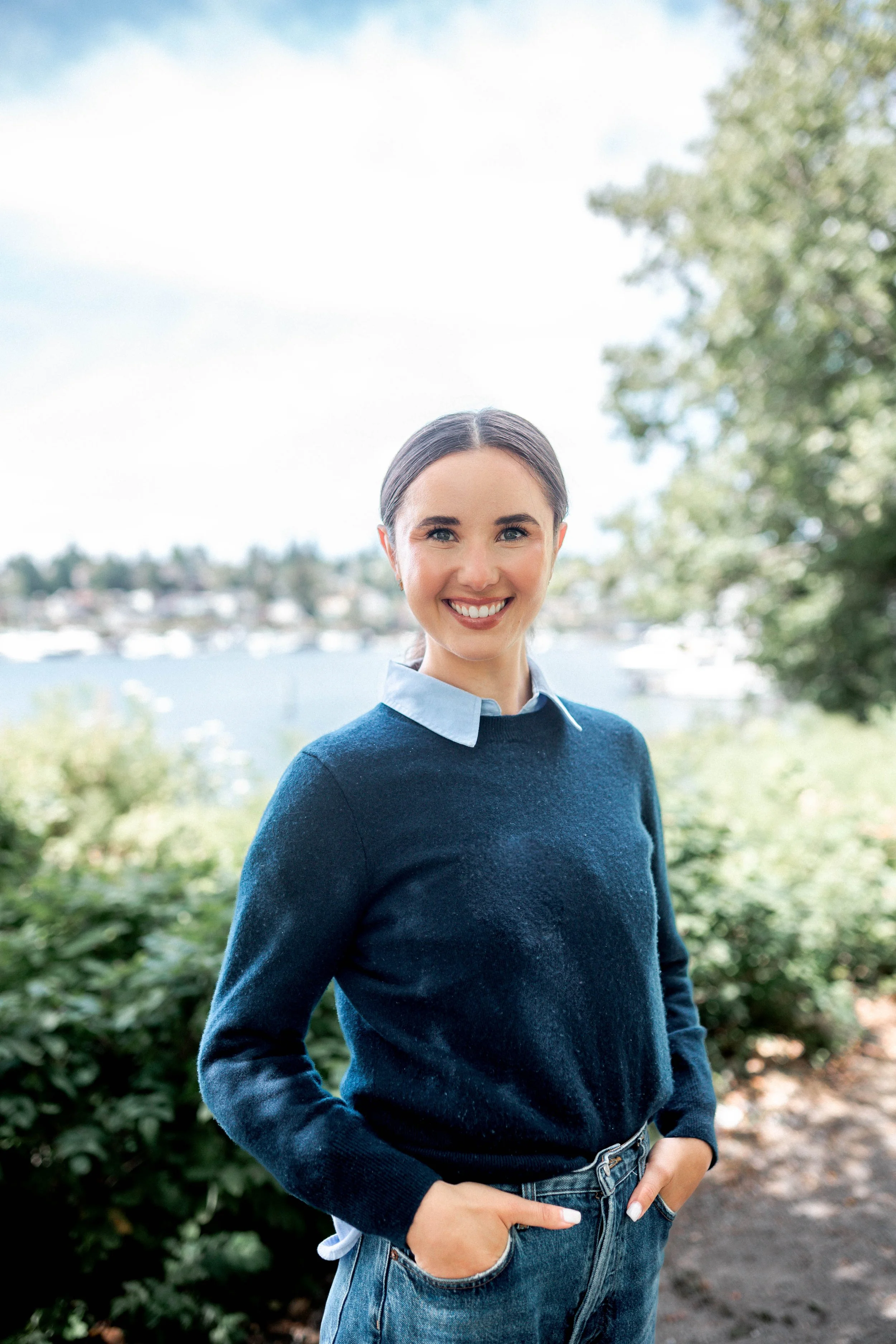
Group Facilitator: Annie Gillis, LMFT
Annie Gillis is a Licensed Marriage and Family Therapist who has been a valued member of the redpoint Seattle team for over seven years. She brings extensive experience supporting individuals and families navigating complex relational and behavioral challenges.
Annie has engaged in CRAFT (Community Reinforcement and Family Training) trainings and has been actively involved in implementing redpoint’s CRAFT-based curriculum. She is deeply passionate about working with families who feel stuck, helping them build practical skills to improve communication, strengthen relationships, and create meaningful change.
With a collaborative and compassionate approach, Annie supports caregivers in developing greater confidence, enhancing self-care, and improving overall quality of life. Her work is grounded in the belief that families play a powerful role in fostering positive outcomes, and she is committed to helping them feel empowered and supported throughout the process.
Desired Outcomes for Parents & Caregivers
Reduce chronic parental anxiety, depression, guilt, and burnout
Help parents distinguish support from over-functioning or accommodation
Improve communication and reduce power struggles and escalation
Teach how to reinforce independence, effort, and responsibility (not perfection)
Support treatment engagement or functional progress when appropriate
Help parents reclaim their own wellbeing, identity, and long-term sustainability
General FAQs
-
CRAFT is offered both as a group program and as an individual 1:1 service. This allows participants to choose the format that best fits their needs, goals, and schedule. Either way, we encourage you to schedule a discovery call to explore your options and determine which path is the best fit for you.
-
Any parent or caregiver of a young adult navigating mental health or substance use challenges - especially if your loved one is resistant to help. No prior experience needed. New members can join at any point in the cycle.
-
The group meets virtually via Microsoft Teams, making it easy to participate from the comfort of your home or another private space.
-
Influence, Not Control. Move beyond pleading or ultimatums. Use your real influence effectively.
Positive Communication. Reduce conflict and open new possibilities for connection.
Behavior Skills. Understand what drives your loved one’s patterns and how to respond.
Your Own Wellbeing. CRAFT supports you too — regardless of what your loved one chooses.
-
This group follows an 8-week curriculum and meets every other week (bi-weekly). Participants are asked to commit to attending all sessions so the group can build consistency, trust, and momentum together throughout the program, and for you to build the skills needed to support positive outcomes.
-
Yes! Join anytime with rolling enrollment.
-
Service inquiry: Submit and schedule a complementary 15-minute discovery call
Complete an online orientation
Make payment
Attend group!
-
$75 (individual)
$120 (two caregivers)
-
The program fee is paid in full at the time of enrollment and covers the entire program. Payment must be received before the program begins to reserve your spot.
-
Yes, we do offer additional 1:1 support outside of the group. Individual coaching sessions are billed at our standard hourly rate. If you are interested in additional support, please don’t hesitate to reach out.
-
We do not take insurance at this time.
-
Yes. While the program fee is paid in full at enrollment, participation is always voluntary. We encourage all participants to attend all eight sessions to receive the greatest benefit from the skills, support, and group discussions offered throughout the program.
However, if you decide that the group is not the right fit for you or your family, you are free to discontinue attendance at any time. We respect that every family's situation is unique, and we support participants in making the decision that best meets their needs.
-
Both CRAFT (Community Reinforcement and Family Training) and Al-Anon are designed to support people who are affected by a loved one's substance use. However, they take different approaches.
CRAFT is a skills-based, evidence-informed program that teaches family members practical strategies for improving communication, setting healthy boundaries, reducing conflict, and encouraging a loved one to seek help. CRAFT focuses on empowering family members to make positive changes in their own lives while increasing the likelihood that their loved one will engage in treatment.
Al-Anon is a peer-led support program based on the 12-Step model. It emphasizes acceptance, emotional support, and learning to detach with love from a loved one's drinking or substance use. Al-Anon meetings provide a community of people with shared experiences and focus on personal growth and recovery for family members.
Neither approach requires the person with the substance use problem to participate in treatment. Many families find value in one approach or even use both at different times. If you are looking for practical tools and communication strategies, CRAFT may be a good fit. If you are seeking ongoing peer support and connection with others facing similar challenges, Al-Anon may be helpful.
At redpoint, our CRAFT group and coaching provide structured guidance, skill-building, and individualized support to help families navigate the challenges of loving someone with a substance use disorder.